

#stayathome
Protect yourself and others in Bamenda, NWR, of Cameroon
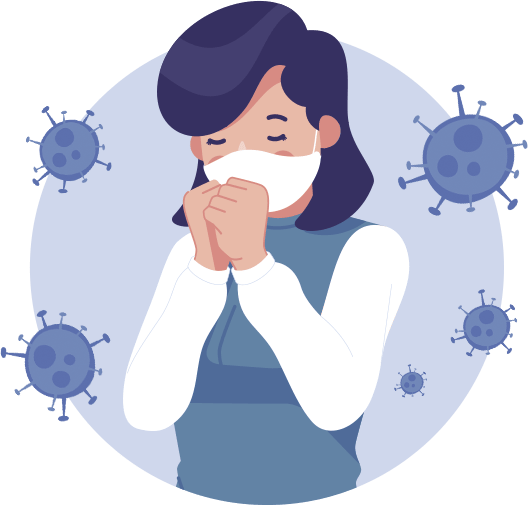
National Statistics #April 30th 2022
Coronavirus Pandemic
Coronavirus Cases
Deaths
Recovered
About the disease
COVID-19 Coronavirus
The disease made its first appearance in Cameroon in early 2020 and has since spread to other parts of the Country including the North West Region.
Other symptoms may include muscle pain, sputum production, diarrhea, sore throat, abdominal pain and loss of smell and taste.
How to preventHow the coronavirus diseases
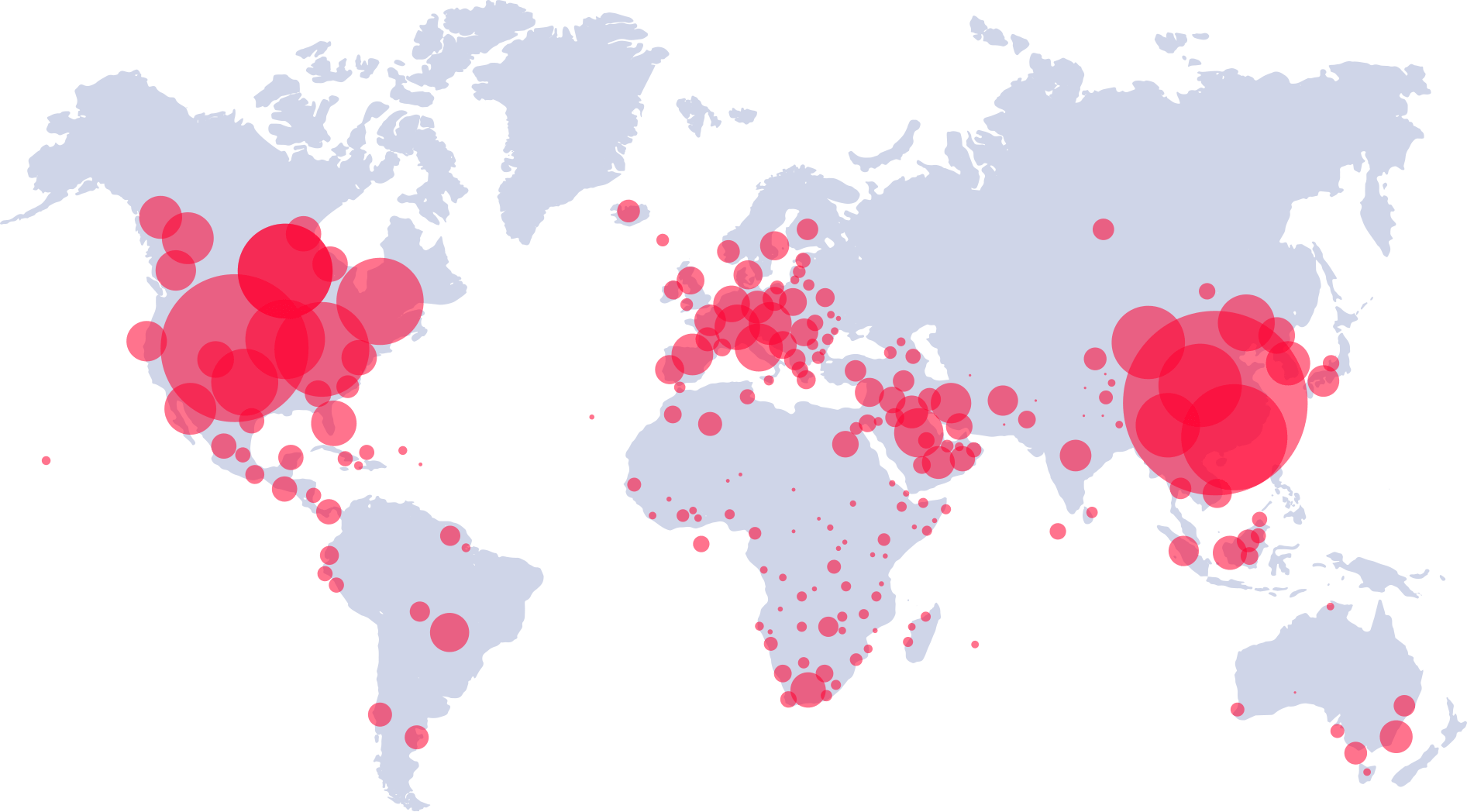
Mapping the Coronavirus Outbreak
Confirmed Cases and Deaths by Country, Territory, or Conveyance. The coronavirus COVID-19 is affecting more than 200
countries and territories around the world
Italy
Confirmed Cases
97,689
South America
Confirmed Cases
105 Since April 2022
South Africa
Confirmed Cases
84,689
Cameroon
Confirmed Cases
56,689
Italy
Confirmed Cases
97,689
Italy
Confirmed Cases
97,689
Spain
Confirmed Cases
97,689
UK
Confirmed Cases
97,689
Symptoms of COVID-19
What are the typical symptoms?
COVID-19 typically causes flu-like symptoms including a fever and cough.
In some patients - particularly the elderly and others with other chronic health conditions - these
symptoms can develop into pneumonia, with chest tightness, chest pain, and shortness of breath.
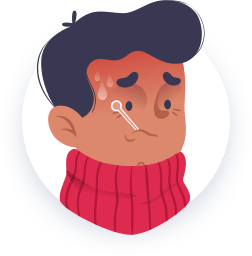
High fever
Fever is a key symptom, experts say. Don't fixate on a number, but know it's really not a fever until your temperature reaches at least 39°C.
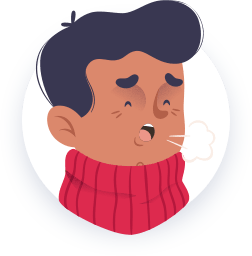
Cough
Coughing is another key symptom, but it's not just any cough, said Schaffner. It should be a dry cough that you feel in your chest.
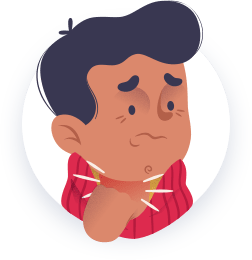
Sore Throat
You feel hot to touch on your chest or back It is a common sign and also may appear in 2-10 days if you affected.
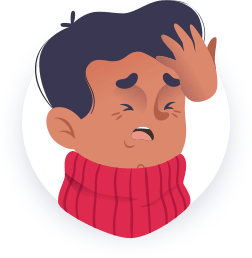
Headache
Around 1 out of every 6 people who gets COVID-19 becomes seriously ill and develops difficulty breathing or shortness of breath.
What you need to do
How to protect yourself?
Our actions as individuals will go a long way in preventing, detecting and isolating potential cases of
coronavirus and COVID-19
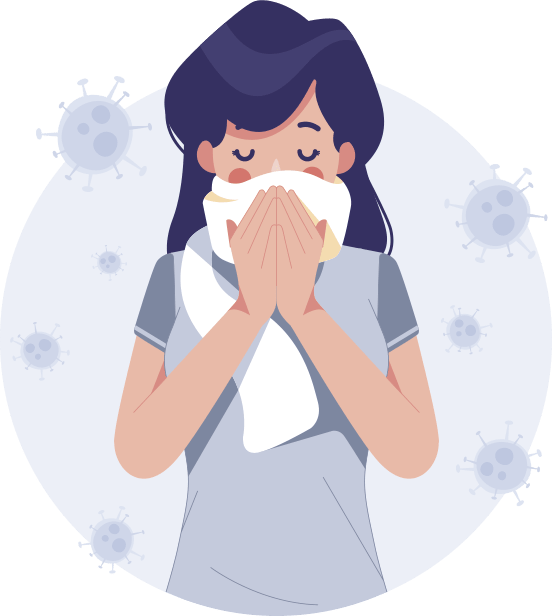
Things you should do
Be sure to follow it
- Stay at home
- Wear mask
- Wash your hands
- Frequent self-isolation
- Frequent waterintake
Things you should avoid
Be sure to avoid it
- Social distance
- Avoid animals
- Don't touch your face
- Avoid handshaking
- Avoid kisses
What does self-isolation involve?
If you need to self-isolate, you should take action immediately. You must stay inside and avoid all contact with other people.
How else can you protect yourself?What should you do
How to prevent Coronavirus?
Stay aware of the latest information on the COVID-19 outbreak, available on the WHO website and through
your national and local public health authority.

Wear Facemask
When you are around other people and before you enter a healthcare provider’s.
Know more
Wash your hands often
Clean your hands with alcohol, rub or wash with soap for at least 20 seconds.
Know more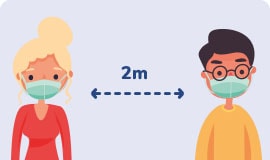
Keep social distance
Keep at least 2 m distance between yourself & anyone if you go among people.
Know more
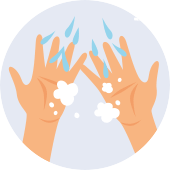
Hand washing process
How to Wash Your Hands
Are you washing your hands properly? Practise good hand hygiene.
Just because you're washing your hands often, doesn't mean that you're washing them
well.




How can spreading Coronavirus
How is it transmitted COVID-19?
Travel restrictions or screening air travellers for high temperature (fever) may help to prevent the SARS
infection being spread.

Air by cough or sneeze
Travel restrictions or screening air travellers for high temperature (fever) may help to prevent the SARS infection being spread.

Animal contact
Travel restrictions or screening air travellers for high temperature (fever) may help to prevent the SARS infection being spread.

Personal contact
Travel restrictions or screening air travellers for high temperature (fever) may help to prevent the SARS infection being spread.

Contaminated objects
Travel restrictions or screening air travellers for high temperature (fever) may help to prevent the SARS infection being spread.

Droplets from infected persons
Travel restrictions or screening air travellers for high temperature (fever) may help to prevent the SARS infection being spread.

Touching infected surfaces
Travel restrictions or screening air travellers for high temperature (fever) may help to prevent the SARS infection being spread.
Have questions? Find answers!
Frequently Asked Questions
- What are coronaviruses?
- What is the COVID-19 virus?
- What is the difference between COVID-19 and the flu?
- How is the virus spread?
- What are the symptoms?
- What are coronaviruses?
- What is the COVID-19 virus?
- What is the difference between COVID-19 and the flu?
- How is the virus spread?
- What are the symptoms?
- What are coronaviruses?
- What is the COVID-19 virus?
- What is the difference between COVID-19 and the flu?
- How is the virus spread?
- What are the symptoms?
- What are coronaviruses?
- What is the COVID-19 virus?
- What is the difference between COVID-19 and the flu?
- How is the virus spread?
- What are the symptoms?
- What are coronaviruses?
- What is the COVID-19 virus?
- What is the difference between COVID-19 and the flu?
- How is the virus spread?
- What are the symptoms?
- What are coronaviruses?
- What is the COVID-19 virus?
- What is the difference between COVID-19 and the flu?
- How is the virus spread?
- What are the symptoms?
- What are coronaviruses?
- What is the COVID-19 virus?
- What is the difference between COVID-19 and the flu?
- How is the virus spread?
- What are the symptoms?
- What are coronaviruses?
- What is the COVID-19 virus?
- What is the difference between COVID-19 and the flu?
- How is the virus spread?
- What are the symptoms?
- What are coronaviruses?
- What is the COVID-19 virus?
- What is the difference between COVID-19 and the flu?
- How is the virus spread?
- What are the symptoms?
What are coronaviruses?
The first symptoms of COVID-19 and influenza (flu) infections are often very similar. They both cause fever and similar respiratory symptoms, which can then range from mild through to severe disease, and sometimes can be fatal.
Both viruses are also transmitted in the same way, by coughing or sneezing, or by contact with hands, surfaces or objects contaminated with the virus. As a result, the same public health measures, such as hand hygiene (hand washing), good respiratory etiquette (coughing into your elbow or into a tissue and immediately disposing of the tissue) and good household cleaning are important actions to prevent both infections.
The speed of transmission is an important difference between the two viruses. Influenza typically has a shorter incubation period (the time from infection to appearance of symptoms) than COVID-19. This means that influenza can spread faster than COVID-19.
While the range of symptoms for the two viruses is similar, the fraction with severe disease appears to be higher for COVID-19. While most people have mild symptoms, approximately 15% of people have severe infections and 5% require intensive care in a hospital ICU. The proportions of severe and critical COVID-19 infections are higher than for influenza infections.
What is the COVID-19 virus?
The first symptoms of COVID-19 and influenza (flu) infections are often very similar. They both cause fever and similar respiratory symptoms, which can then range from mild through to severe disease, and sometimes can be fatal.
Both viruses are also transmitted in the same way, by coughing or sneezing, or by contact with hands, surfaces or objects contaminated with the virus. As a result, the same public health measures, such as hand hygiene (hand washing), good respiratory etiquette (coughing into your elbow or into a tissue and immediately disposing of the tissue) and good household cleaning are important actions to prevent both infections.
The speed of transmission is an important difference between the two viruses. Influenza typically has a shorter incubation period (the time from infection to appearance of symptoms) than COVID-19. This means that influenza can spread faster than COVID-19.
While the range of symptoms for the two viruses is similar, the fraction with severe disease appears to be higher for COVID-19. While most people have mild symptoms, approximately 15% of people have severe infections and 5% require intensive care in a hospital ICU. The proportions of severe and critical COVID-19 infections are higher than for influenza infections.
What is the difference between COVID-19 and the flu?
The first symptoms of COVID-19 and influenza (flu) infections are often very similar. They both cause fever and similar respiratory symptoms, which can then range from mild through to severe disease, and sometimes can be fatal.
Both viruses are also transmitted in the same way, by coughing or sneezing, or by contact with hands, surfaces or objects contaminated with the virus. As a result, the same public health measures, such as hand hygiene (hand washing), good respiratory etiquette (coughing into your elbow or into a tissue and immediately disposing of the tissue) and good household cleaning are important actions to prevent both infections.
The speed of transmission is an important difference between the two viruses. Influenza typically has a shorter incubation period (the time from infection to appearance of symptoms) than COVID-19. This means that influenza can spread faster than COVID-19.
While the range of symptoms for the two viruses is similar, the fraction with severe disease appears to be higher for COVID-19. While most people have mild symptoms, approximately 15% of people have severe infections and 5% require intensive care in a hospital ICU. The proportions of severe and critical COVID-19 infections are higher than for influenza infections.
How is the virus spread?
The first symptoms of COVID-19 and influenza (flu) infections are often very similar. They both cause fever and similar respiratory symptoms, which can then range from mild through to severe disease, and sometimes can be fatal.
Both viruses are also transmitted in the same way, by coughing or sneezing, or by contact with hands, surfaces or objects contaminated with the virus. As a result, the same public health measures, such as hand hygiene (hand washing), good respiratory etiquette (coughing into your elbow or into a tissue and immediately disposing of the tissue) and good household cleaning are important actions to prevent both infections.
The speed of transmission is an important difference between the two viruses. Influenza typically has a shorter incubation period (the time from infection to appearance of symptoms) than COVID-19. This means that influenza can spread faster than COVID-19.
While the range of symptoms for the two viruses is similar, the fraction with severe disease appears to be higher for COVID-19. While most people have mild symptoms, approximately 15% of people have severe infections and 5% require intensive care in a hospital ICU. The proportions of severe and critical COVID-19 infections are higher than for influenza infections.
What are the symptoms?
The first symptoms of COVID-19 and influenza (flu) infections are often very similar. They both cause fever and similar respiratory symptoms, which can then range from mild through to severe disease, and sometimes can be fatal.
Both viruses are also transmitted in the same way, by coughing or sneezing, or by contact with hands, surfaces or objects contaminated with the virus. As a result, the same public health measures, such as hand hygiene (hand washing), good respiratory etiquette (coughing into your elbow or into a tissue and immediately disposing of the tissue) and good household cleaning are important actions to prevent both infections.
The speed of transmission is an important difference between the two viruses. Influenza typically has a shorter incubation period (the time from infection to appearance of symptoms) than COVID-19. This means that influenza can spread faster than COVID-19.
While the range of symptoms for the two viruses is similar, the fraction with severe disease appears to be higher for COVID-19. While most people have mild symptoms, approximately 15% of people have severe infections and 5% require intensive care in a hospital ICU. The proportions of severe and critical COVID-19 infections are higher than for influenza infections.
Recent from Updates
Latest Blog Posts in Bamenda
Find out what Governor Lele L'Africa and his team are doing to prevent the pandemic
coronavirus and COVID-19.

What can I do under the new rules?
- 02 Apr 2020
- 21 Comments
In an unprecedented effort to contain the coronavirus outbreak which has caused tens of thousands of deaths globally...
Read more
What you need to know about C19 and pregnancy
- 30th April 2022
- 0 Comments
Until now, doctors have been reassuring pregnant women that they are no more at risk from COVID-19 than anyone else.
Read more
Are you washing your hands properly?
- 30 Apr 2022
- 0 Comments
Most of us know how important it is to practise good hand hygiene. But just because you're washing your hands often...
Read more
What is an underlying health condition?
- 30 Apr 2022
- 0 Comments
In an unprecedented effort to contain the coronavirus outbreak which has caused tens of thousands of deaths...
Read more
Need support?
Download theCov app now!
Use our application to stay informated about news purposes, get updates,
tracking tipps and get assistance if you need any help!


Feeling unwell?
Assess your symptoms online with our free symptom checker.

- © Copyright 2022 S19005136
- |
- Term of Use Privacy Policy Impressum