
How can spreading Coronavirus
How is it transmitted COVID-19?
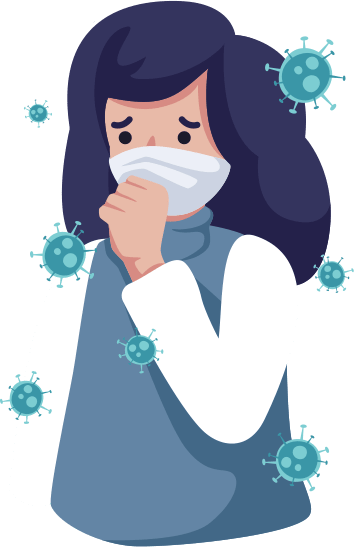
Some details about how the disease is spread are unknown and is being determined.The WHO and CDC state that it is primarily spread during close contact and by respiratory droplets produced when people cough or sneeze; with close contact being within 1 to 2 meters (3 to 6 feet). A study in Singapore found that an uncovered coughing can lead to droplets travelling up to 4.5 metres (15 feet).
Respiratory droplets may also be produced during breathing out, including when talking, though the virus is not generally airborne. These droplets can land in the mouths or noses of people who are nearby or possibly be inhaled into the lungs.Some medical procedures such as intubation and cardiopulmonary resuscitation (CPR) may cause respiratory secretions to be aerosolized and thus result in airborne spread. It may also spread when one touches a contaminated surface and then touches their eyes, nose, or mouth. While there are concerns it may spread by feces, this risk is believed to be low.
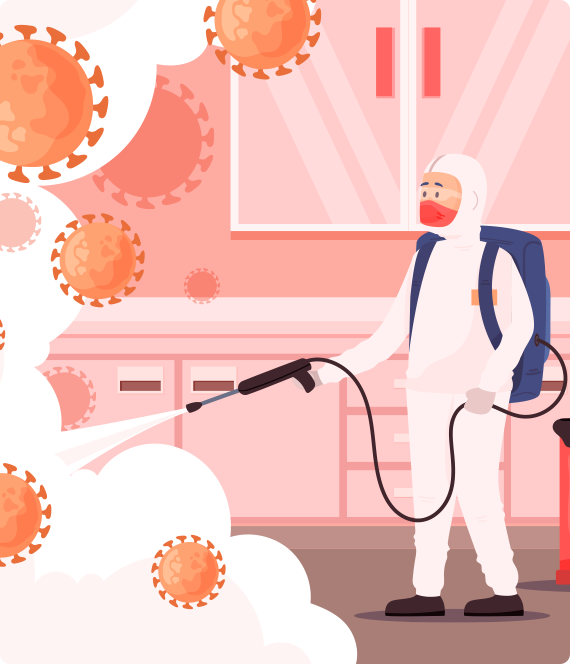
How Coronavirus is spread?
Air by cough or sneeze
Travel restrictions or screening air travellers for high temperature (fever) may help to prevent the SARS infection being spread.

Animal contact
Travel restrictions or screening air travellers for high temperature (fever) may help to prevent the SARS infection being spread.

Personal contact
Travel restrictions or screening air travellers for high temperature (fever) may help to prevent the SARS infection being spread.

Contaminated objects
Travel restrictions or screening air travellers for high temperature (fever) may help to prevent the SARS infection being spread.

Droplets from infected persons
Travel restrictions or screening air travellers for high temperature (fever) may help to prevent the SARS infection being spread.

Touching infected surfaces
Travel restrictions or screening air travellers for high temperature (fever) may help to prevent the SARS infection being spread.
What should you do
How to prevent Coronavirus?
Stay aware of the latest information on the COVID-19 outbreak, available on the WHO website and through
your national and local public health authority.

Wear Facemask
When you are around other people and before you enter a healthcare provider’s.
Know more
Wash your hands often
Clean your hands with alcohol, rub or wash with soap for at least 20 seconds.
Know more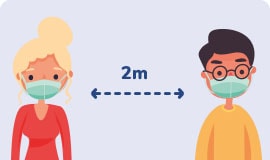
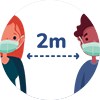
Keep social distance
Keep at least 2 m distance between yourself & anyone if you go among people.
Know more
What you need to do
How to protect yourself?
Our actions as individuals will go a long way in preventing, detecting and isolating potential cases of
coronavirus and COVID-19
Stay at home
Stay at home if you perceive the symptoms and consult your doctor on phone.

Use mask
When you are around other people and before you enter a healthcare provider’s.

SWash your hands
Clean your hands with alcohol or wash them with soap for at least 20 seconds.

Drink often
Make sure you have plenty of frequent fluids.
Social distance
Stay at home if you perceive the symptoms and consult your doctor on phone.

Avoid animals
When you are around other people and before you enter a healthcare provider’s.

Don't touch your face
Clean your hands with alcohol or wash them with soap for at least 20 seconds.

Avoid handshaking
Make sure you have plenty of frequent fluids.
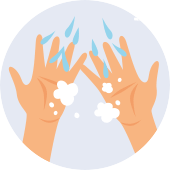
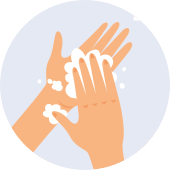
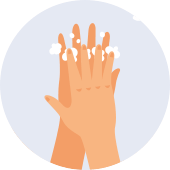
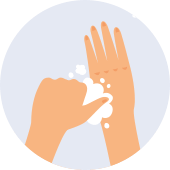
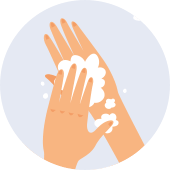
Hand washing process
How to Wash Your Hands
Are you washing your hands properly? Most of us know how important it is to practise good hand hygiene.
But just because you're washing your hands often, doesn't mean that you're washing them
well.
Feeling unwell?
Assess your symptoms online with our free symptom checker.