
COVID-19 Pandemic 2019 to 2022
(COVID-19) which is caused by severe acute respiratory syndrome coronavirus 2 (SARS-CoV-2) had its first outbreak in Wuhan, Hubei, China, in December 2019. The World Health Organization (WHO) declared the outbreak to be a Public Health Emergency of International Concern on 30 January 2020 and recognized it as a pandemic on 11 March.
As of 30 March 2020, more than 735,500 cases of COVID-19 have been reported in over 190 countries and territories, resulting in approximately 34,500 deaths. More than 156,000 people have since recovered.
What are Coronavirus?
What is the COVID-19 virus?
COVID-19 is a new strain of coronavirus that has not been previously identified in humans. It was first identified in Wuhan, Hubei Province, China, where it has caused a large and ongoing outbreak. It has since spread more widely in China. Cases have since been identified in several other countries. The COVID-19 virus is closely related to a bat coronavirus.
SARS-CoV-2 is closely related to the SARS-CoV
It is thought to have a zoonotic origin. Genetic analysis has revealed that the coronavirus genetically clusters with the genus Betacoronavirus, in subgenus Sarbecovirus (lineage B) together with two bat-derived strains. It is 96% identical at the whole genome level to other bat coronavirus samples (BatCov RaTG13). In February 2020, Chinese researchers found that there is only one amino acid difference in certain parts of the genome sequences between the viruses from pangolins and those from humans, however, whole-genome comparison to date found at most 92% of genetic material shared between pangolin coronavirus and SARS-CoV-2, which is insufficient to prove pangolins to be the intermediate host.

Spreading
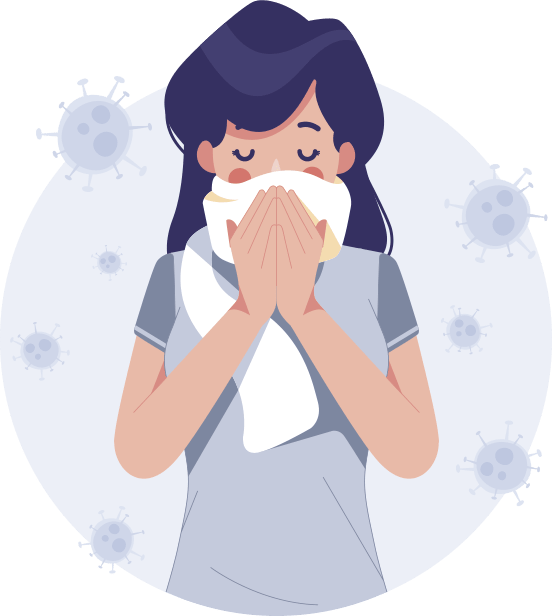
The virus is mainly spread close contact and by respiratory droplets when people cough or sneeze. Respiratory droplets may be produced during breathing but the virus is not generally airborne. People may also catch COVID-19 by touching a contaminated surface and then their face. It is most contagious when people are symptomatic.
More about spreading
Symptoms
The time between exposure and symptom onset is typically around five days, but may range from 2 to 14 days. Common symptoms include fever, cough, and shortness of breath. Complications may include pneumonia and acute respiratory distress syndrome. There is no known vaccine or specific antiviral treatment.
More about symptoms
Treatment
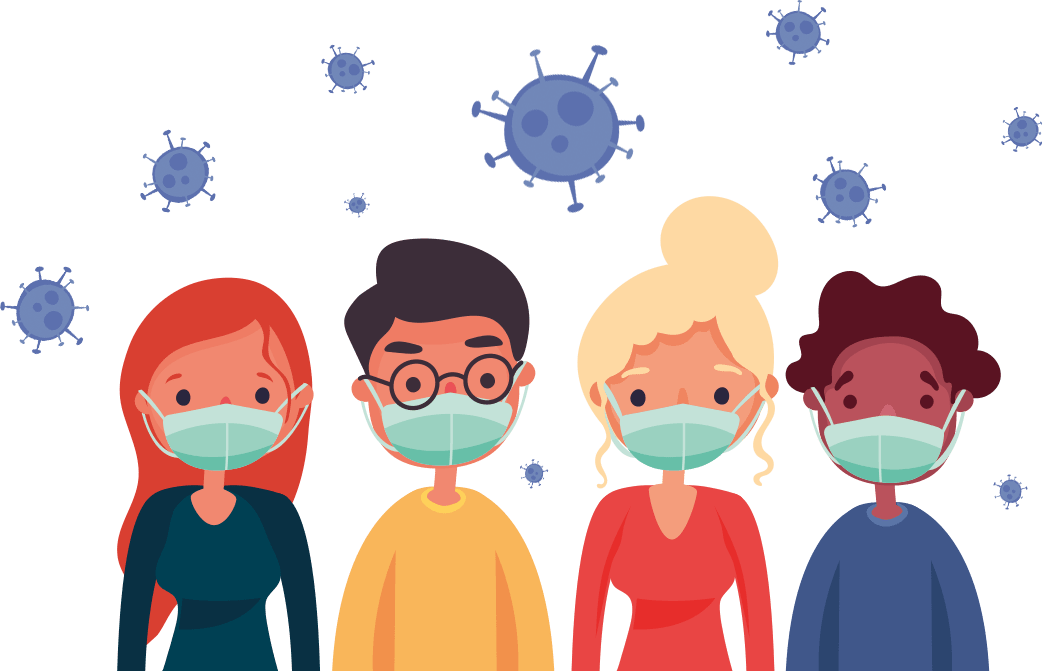
There is no known vaccine or specific antiviral treatment. Primary treatment is symptomatic and supportive therapy.Recommended preventive measures include hand washing, covering one's mouth when coughing, maintaining distance from other people, and monitoring and self-isolation for people who suspect they are infected.
More about treatment
Disease Control and Prevention in Cameroon
Efforts to prevent the virus from spreading include travel restrictions, quarantines, curfews, workplace hazard controls, event postponements and cancellations, and facility closures. These include the temporal closure of the Bafut National Airport, The shutdown of the Bamenda Main Marker, and the maximum limit of 4 passengers per bus for travel agencies like Amour Mezam, Vatical, and Mondial agencies. s.
The pandemic has led to regional and national socio-economic disruption, the postponement or cancellation of religious and cultural events, and widespread fears of supply shortages, sparking panic buying. Schools and universities have close within the region and the national territory. PWD Bamenda has been relegated to the second division thanks to the pandemic. .
Ask for advice and consult our doctors
Meet our Experts
Are you washing your hands properly? Most of us know how important it is to practise good hand hygiene.
But just because you're washing your hands often, doesn't mean that you're washing them
well.



Feeling unwell?
Assess your symptoms online with our free symptom checker.